Living in the Netherlands
/Articles
Living in the Netherlands
Practical articles for international residents
The guides are written from official Dutch government and municipal sources.
-

Family & Education Having a baby in the Netherlands: midwife care, kraamzorg, the 3-day birth registration and 9 weeks of paid leave (2026) A step-by-step guide for international residents expecting a baby in the Netherlands: midwife-led prenatal care, home or hospital birth, booking kraamzorg (€5.70 an hour in 2026), registering the birth and BSN, 16 weeks of maternity leave, partner leave, paid parental leave, child benefit and vaccinations.
-
Family & Education Choosing a school in the Netherlands: Dutch, DIS or private international, leerplicht rules and 2026-27 fees How to choose a school for your child in the Netherlands: starting at 4, compulsory from 5 (leerplicht), how to apply, newcomer classes and ISK, who qualifies for Dutch International Schools, and published 2026-27 fees at three schools.
-
Family & Education The Dutch primary teacher shortage: 15.6% in The Hague, rare four-day weeks and what parents can do Dutch primary schools are short of about 5,800 FTE teachers (6.3%), but the five biggest cities are short of more than twice that. Only 3 of 308 heads surveyed have cut school days. Here is what the rules on teaching hours allow, when children can be sent home, how to choose and enrol in a school, and how international parents can prepare.
-
Family & Education Swimming diplomas A, B and C in the Netherlands: costs of around €720, waiting lists, school swimming and adult lessons How the Dutch Zwem-ABC swimming diplomas work, when children start, why diploma A averages around €720, how waiting lists and municipal subsidies differ, why schools stopped teaching swimming, where adults can learn, and how to stay safe at the beach and on open water — checked against government letters, CBS and NRZ.
-
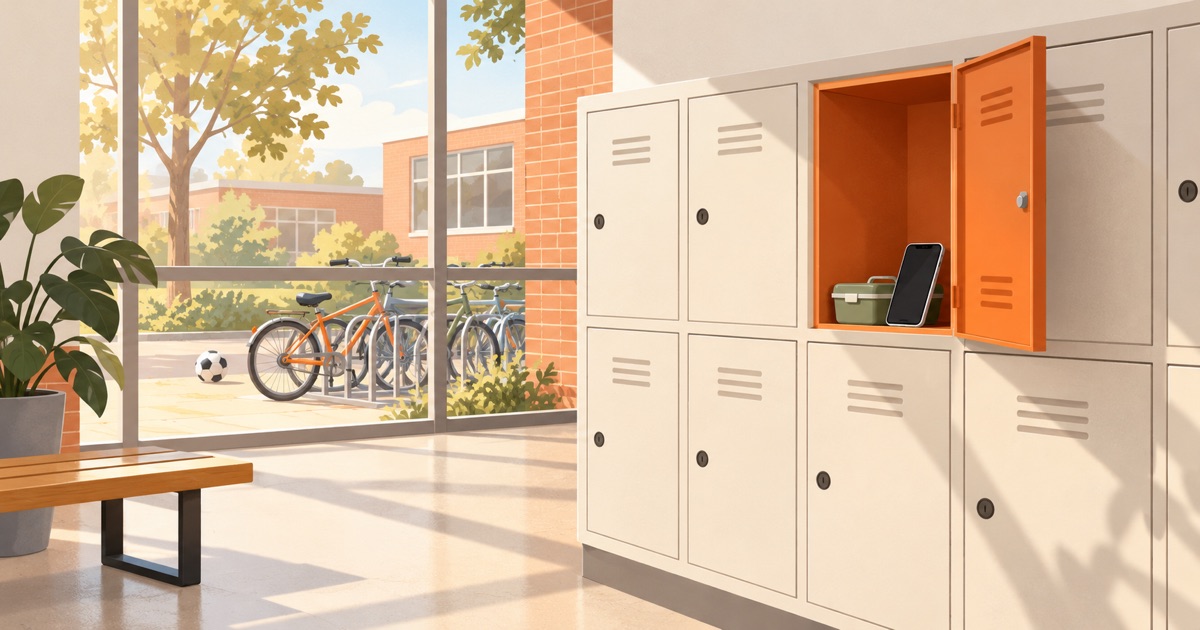
Family & Education Dutch school phone ban 2027: what is decided, what is proposed, and how to set family rules On 5 October 2026 the Dutch cabinet said it wants phones kept at home or in a locker for the whole school day from 1 January 2027. Here is what is already in force since 2024, what is still a proposal, the new family vlog rules, the official screen-time guidance by age, how international schools differ, and how to agree phone rules at home.